IN CONVERSATION WITH DUYI HAN
IN CONVERSATION WITH DUYI HAN
About Duyi Han
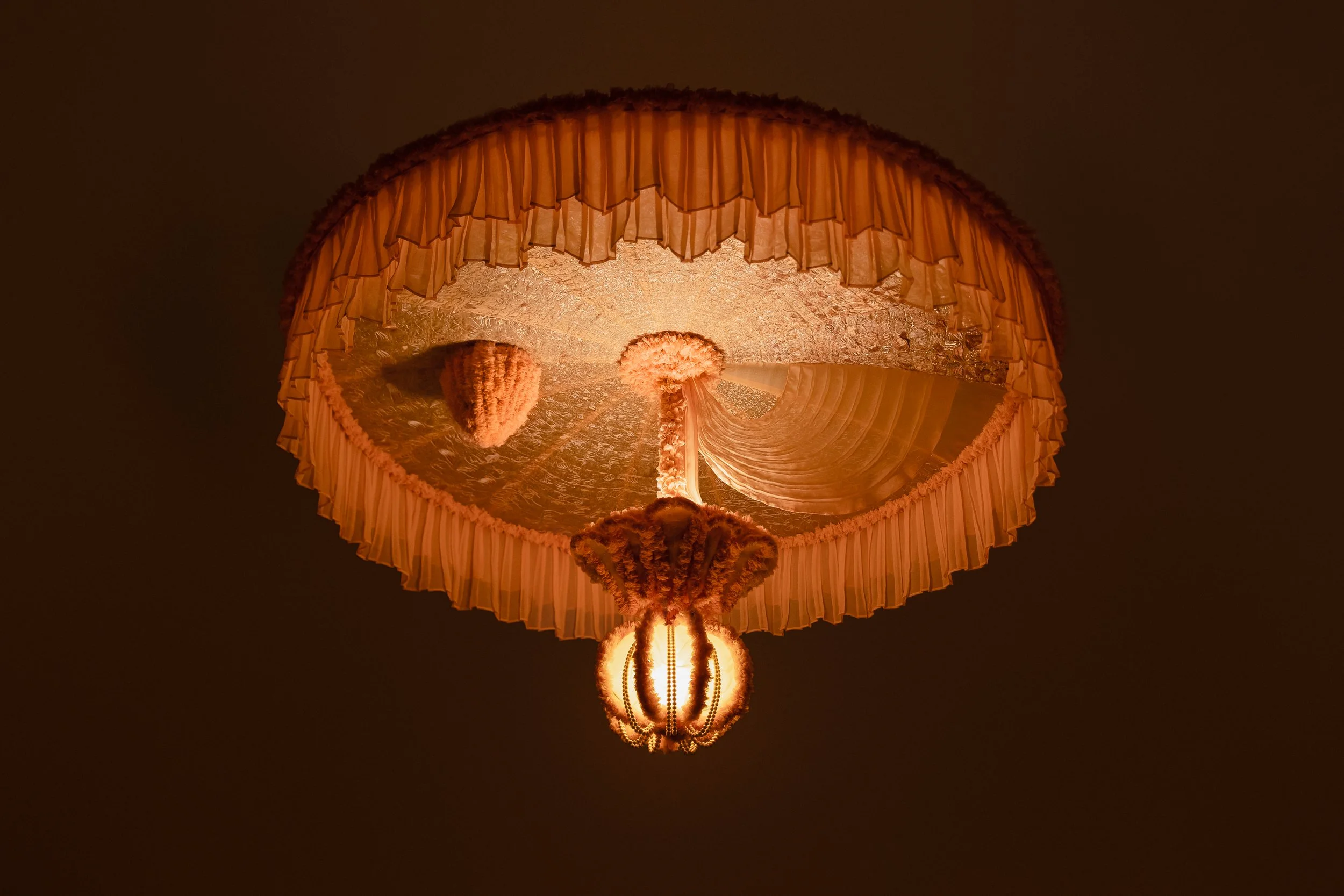
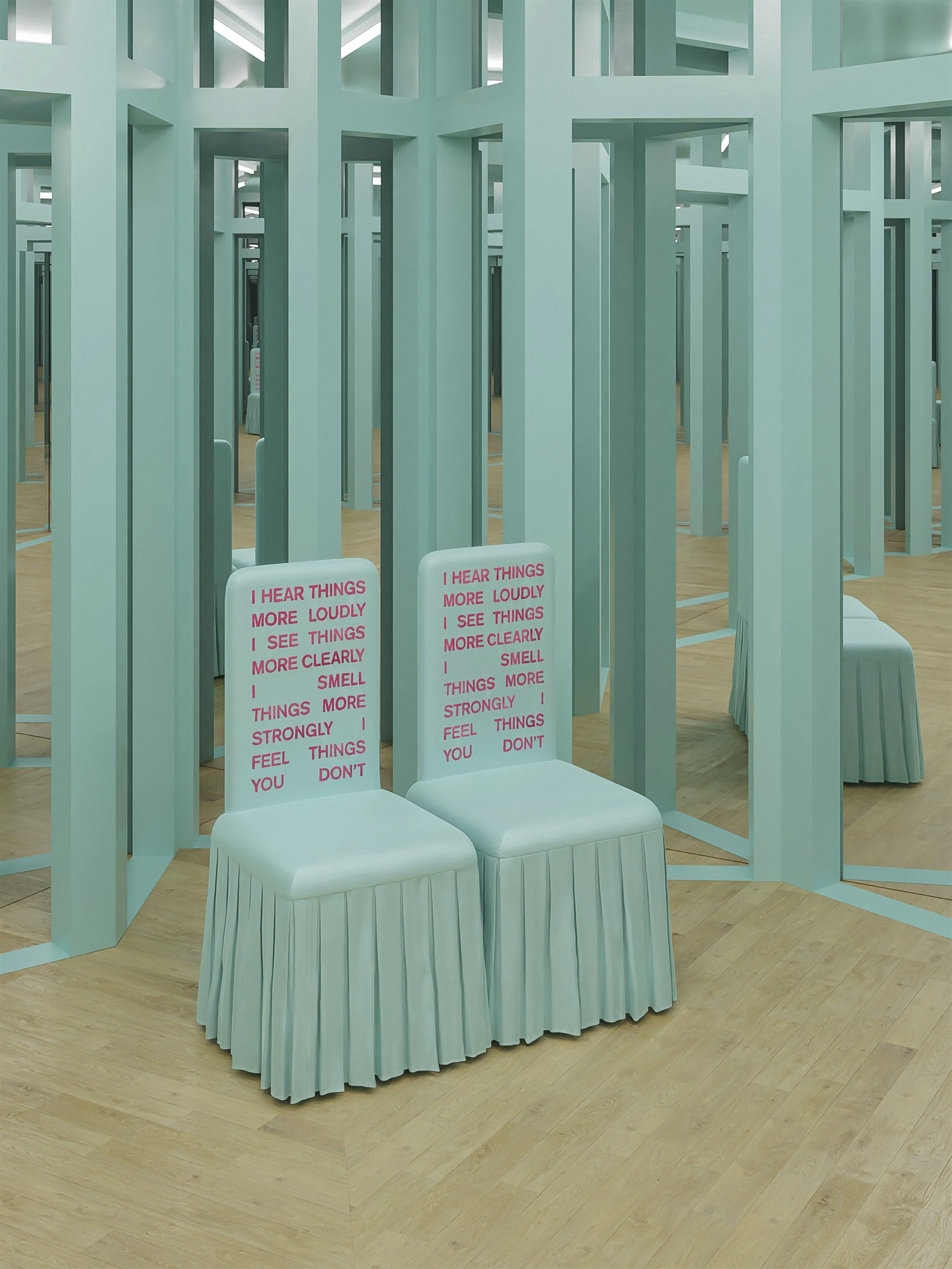
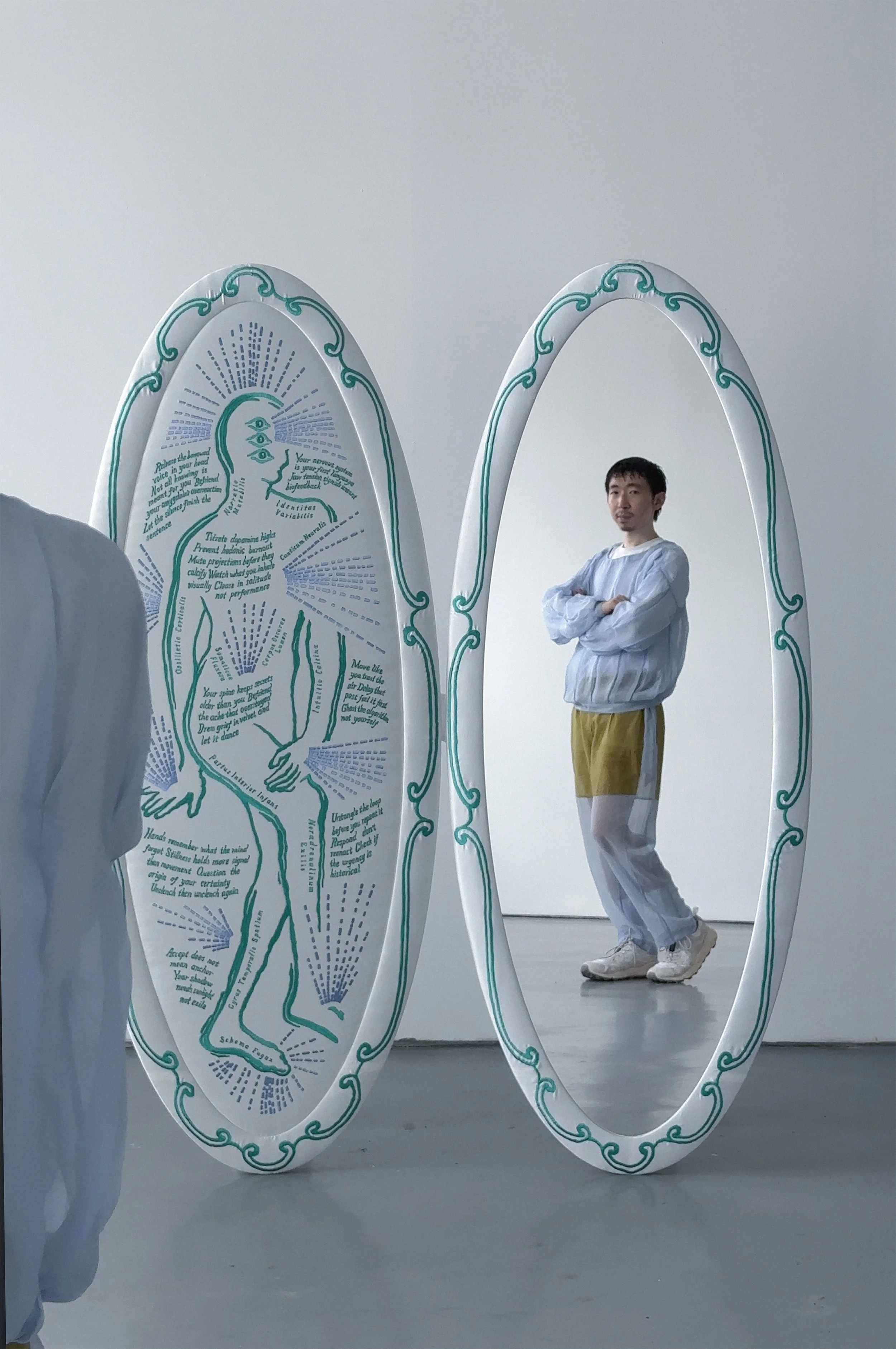
Duyi Han is an artist and designer focused on aesthetic research and production, working across collectible design, scenography, and digital art as both an artist and a director for global client projects, following his architectural studies (B. Arch, 2019) at Cornell University and professional experience at Herzog & de Meuron. His work has received multidisciplinary recognition and is included in the San Francisco Museum of Modern Art (SFMOMA) collection; notably, his Ordinance of the Subconscious Treatment was recognized by Architectural Digest at Milan Design Week, and he sold prints of The Saints Wear White to raise funds for the WHO COVID-19 response, further collaborating with brands like Dior and Tarun Tahiliani in numerous international exhibitions.”
What is the single most important idea your showcased piece is solving for the future of design?
DUYI HAN :
It proposes that the future of design lies in clarity—objects that don’t just decorate life but help us
understand ourselves, our inner pattens. My work treats furniture as a psychological instrument, not a
passive commodity.
How do you keep your design human and distinct in the age of flawless AI creation?
DUYI HAN :
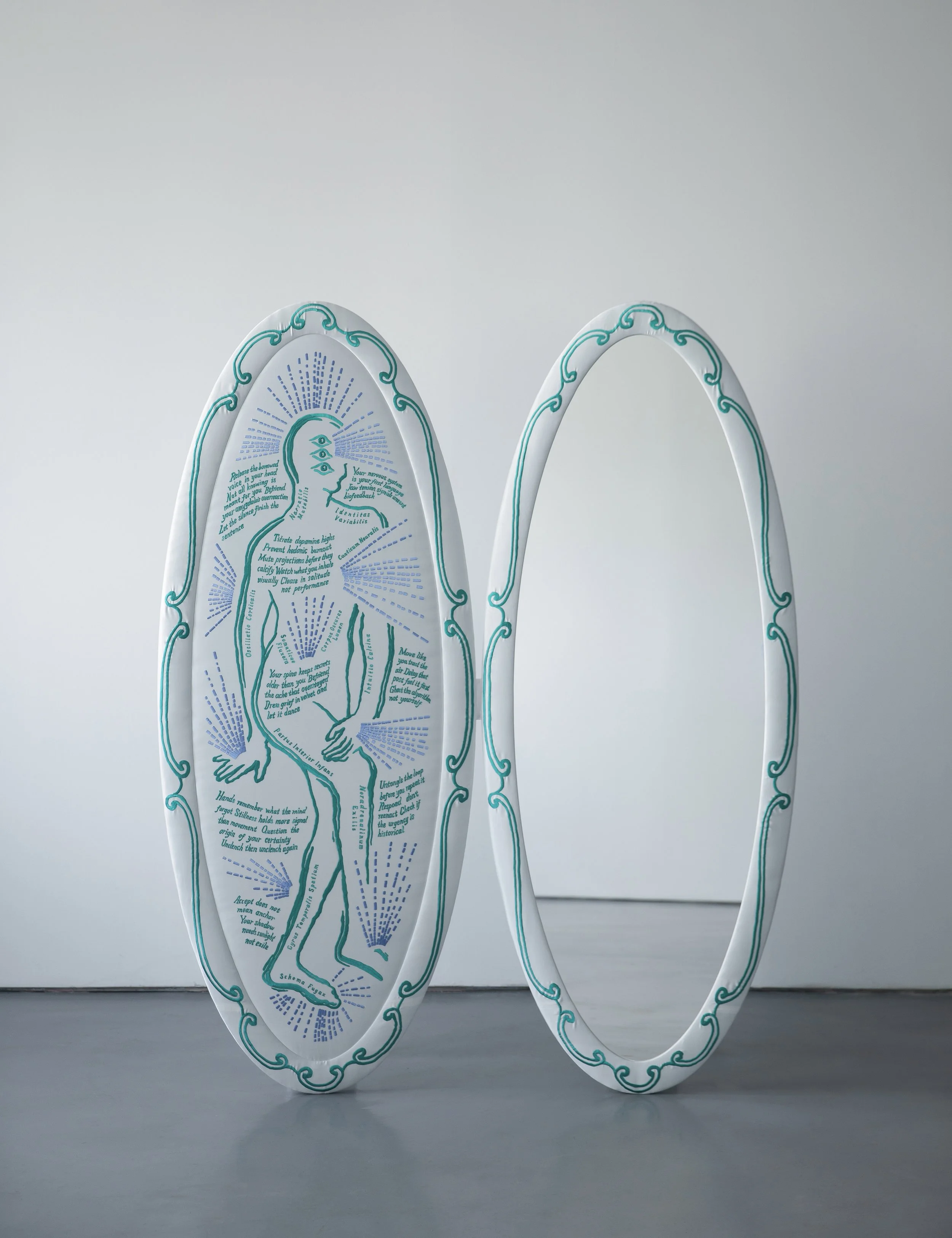
By grounding each piece in embodied cultural memory—Asian medicine diagrams, Taoist cosmology,
textile rituals etc.—things no model can fully simulate because they are lived rather than computed. I let
AI assist, but the humanity comes from the interpretation and intuition in detailing the concept, not the
generation.
What is your most innovative regenerative material, and what ethical choice does it force us to
make?
DUYI HAN :
My regenerative material is visual culture itself—recycled, re-embroidered, re-coded into new forms like
molecular diagrams rendered as Qing-style textiles. It forces us to ask whether “sustainability” can also
mean sustaining meaning, not just matter.
How does your physical design help people disconnect or slow down in our digital world?
DUYI HAN :
My pieces slow perception by layering micro-details, embroidered diagrams, and symbolic cues that
reward stillness. They function like contemporary ritual objects that invite a pause, a breath, and a
recalibration.
How did you break into the furniture industry or design field?
DUYI HAN
Coming from an education background in architecture I found design a delightful and fulfilling way to express my artistic direction more freely and more efficiently and more completely.
Describe your practice in more detail. What inspired you to create your current concept or studio branding?
DUYI HAN :
I was inspired by the evolution of visual culture history and found out I can freely remix content and tendencies from different cultures and time periods, like doing pharmaceutical research mixing ingredients into “aesthetic compounds” that evoke feeling and emotions and memories. The studio identity grew naturally from this blend of precision and sensoriality.
Who would be your icons and muses?
DUYI HAN :
I don’t look at individuals but look at systems–ranging from Chinese court painters to OMA’s diagrammatic exhibitions, from Taoist cosmology to the clarity of scientific diagrams. I’m inspired by systems that map the visible and invisible at the same time.
Tell me more about designers or artists in general you would love to collaborate with. (This keeps the collaboration question broad and engaging.)
DUYI HAN :
I’m drawn to collaborators who work with symbolic systems—fashion designers who think architecturally or artists who treat data and diagrams as material. The medium matters less than their ability to expand a language.
When designing a furniture piece, what is the most important factor for you?
DUYI HAN :
Whether the piece carries an inner logic in its mood or sensorial gesture.
Your practice synthesizes fashion, belief systems, and pharmaceutical logic into & neuroaesthetic prescriptions." How does this synthesis intentionally shape the emotional impact of your work?
DUYI HAN :
By treating visual elements like active compounds, each piece becomes a calibrated formula; viewers instinctively feel the effect even before they rationalize it.
Informed by Taoism, you treat visual culture as "active material." How does the concept of transformation specifically guide your process when creating new aesthetic compounds?
DUYI HAN :
It’s about being fluid between cultural and temporal contexts. I can apply preppy fashion tendencies to Japanese minimalism or Puerto Rican pop music articulation to Kyoto Zen koans. It’s also about being fluid between mediums. Turning molecules into still-life objects, medical diagrams into textiles—so that transformation becomes both the method and the message.
Across mediums (objects, scenography, digital art), how do you decide which form will be the most effective tool for rethinking visual heritage and achieving your desired conceptual effects?
DUYI HAN :
It’s usually about the existing conditions of a project, what is the reference and what is the scope of outcome. Whichever of the three main mediums, I always develop them through digital rendering, usually objects in an environment.
If you could give one piece of advice to a young designer who is torn between the speed of digital production and the slow mastery of traditional craft, what would it be?
DUYI HAN :
Use digital tools to think faster, but let your hands slow you down—true identity emerges in the friction between the two, not the purity of either side.
CONTACT US FOR INQUIRY